Food Recycler Chef
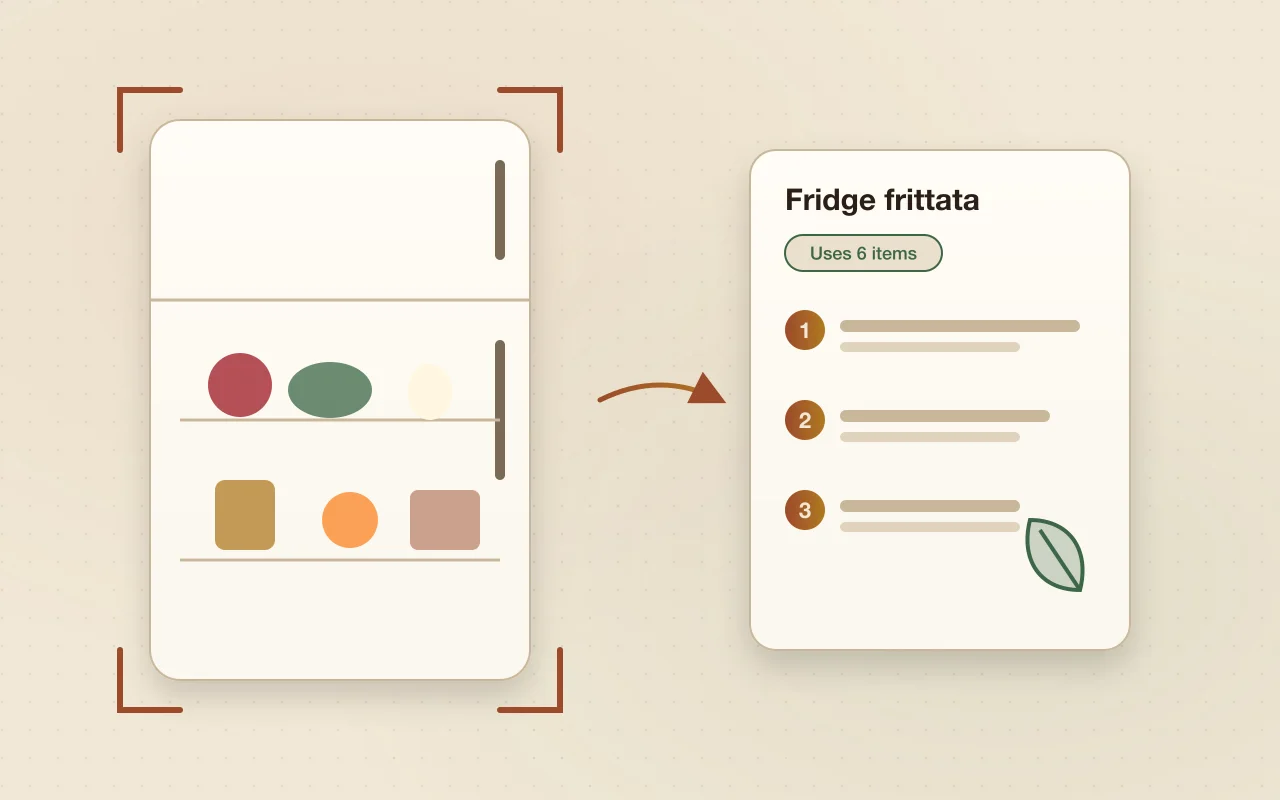
Photograph your fridge and get a recipe that uses what you already have.
- Architect and developer
- 2026
What it is
A Flutter app sends a fridge photo through an event-driven pipeline: GPT-4o Vision identifies the ingredients and a recipe service builds step-by-step recipes from only those ingredients.
The problem
Vision and generation calls are slow and bursty, and they should not hold up sign-in, payments or browsing.
Architecture
Requests flow left to right. Hover a component for its role.
- Flutter app client
- NGINX gateway edge, per-IP rate limits
- Spring Boot services service, user, transaction, recipe
- MinIO data, photos
- Kafka queue, KRaft mode
- FastAPI AI service ai, 5-stage pipeline
- PostgreSQL and Redis data
Key decisions
Events between services
Photo-to-recipe runs over Kafka topics with explicit partitions and retention, so AI load never blocks the transactional services.
A staged AI pipeline
Preprocess, vision, normalise, generate and post-process are separate stages, so each can be tested and swapped on its own.
Highlights
- Rate limits at the gateway, stricter on authentication endpoints.
- Resilience4j around service calls.
- Bare-metal deployment with systemd units, numbered setup scripts and a rollback script.